Welcome to Journal of Automotive Safety and Energy,

Journal of Automotive Safety and Energy ›› 2025, Vol. 16 ›› Issue (6): 851-858.DOI: 10.3969/j.issn.1674-8484.2025.06.004
• Automotive Safety • Previous Articles Next Articles
LIANG Yuchen1( ), DUAN Weijian2, ZHANG Shi3, ZHU Xinglin4, XU Jin1,4,*()
Received:2025-07-23
Revised:2025-09-21
Online:2025-12-31
Published:2026-01-12
CLC Number:
LIANG Yuchen, DUAN Weijian, ZHANG Shi, ZHU Xinglin, XU Jin. Mental workload variations of drivers navigating over the differential types of interchange ramps[J]. Journal of Automotive Safety and Energy, 2025, 16(6): 851-858.
Add to citation manager EndNote|Ris|BibTeX
URL: https://www.journalase.com/EN/10.3969/j.issn.1674-8484.2025.06.004
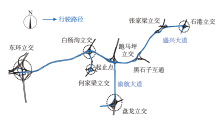
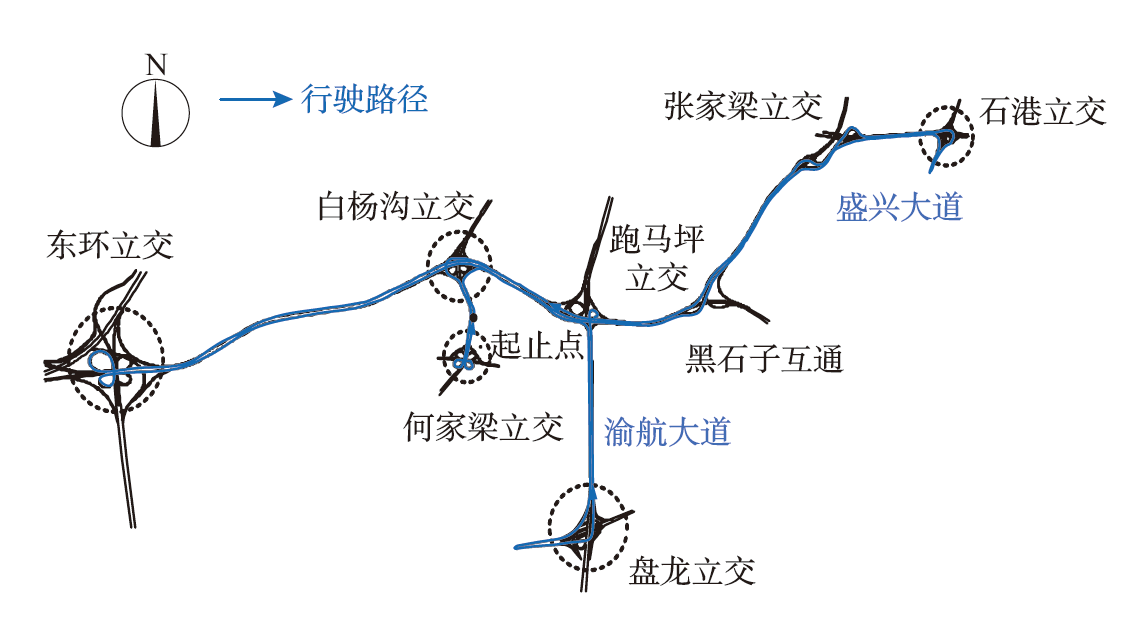
| 立交功能 | 结构形式 | 名称 | 匝道区 域代码 | 匝道形式 |
|---|---|---|---|---|
| 枢纽互通 | 变形苜蓿叶形(对称双环式) | 白杨沟 立交 | BY | 右转定向式匝道 |
| BZ | 左转半定向式匝道 | |||
| 完全苜蓿叶形 | 东环立交 | DX1 | 小半径环圈式匝道 | |
| DX2 | 小半径环圈式匝道 | |||
| 一般互通 | 变形苜蓿叶形(单环式) | 石港立交 | SY | 右转定向式匝道 |
| SZ | 左转半定向式匝道 | |||
| 盘龙立交 | TY | 右转定向式匝道 | ||
| TZ | 左转半定向式匝道 | |||
| 完全苜蓿叶形 | 何家梁 立交 | HX1 | 小半径环圈式匝道 | |
| HX2 | 小半径环圈式匝道 |
| 立交功能 | 结构形式 | 名称 | 匝道区 域代码 | 匝道形式 |
|---|---|---|---|---|
| 枢纽互通 | 变形苜蓿叶形(对称双环式) | 白杨沟 立交 | BY | 右转定向式匝道 |
| BZ | 左转半定向式匝道 | |||
| 完全苜蓿叶形 | 东环立交 | DX1 | 小半径环圈式匝道 | |
| DX2 | 小半径环圈式匝道 | |||
| 一般互通 | 变形苜蓿叶形(单环式) | 石港立交 | SY | 右转定向式匝道 |
| SZ | 左转半定向式匝道 | |||
| 盘龙立交 | TY | 右转定向式匝道 | ||
| TZ | 左转半定向式匝道 | |||
| 完全苜蓿叶形 | 何家梁 立交 | HX1 | 小半径环圈式匝道 | |
| HX2 | 小半径环圈式匝道 |
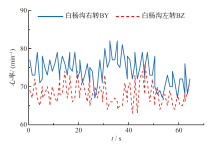
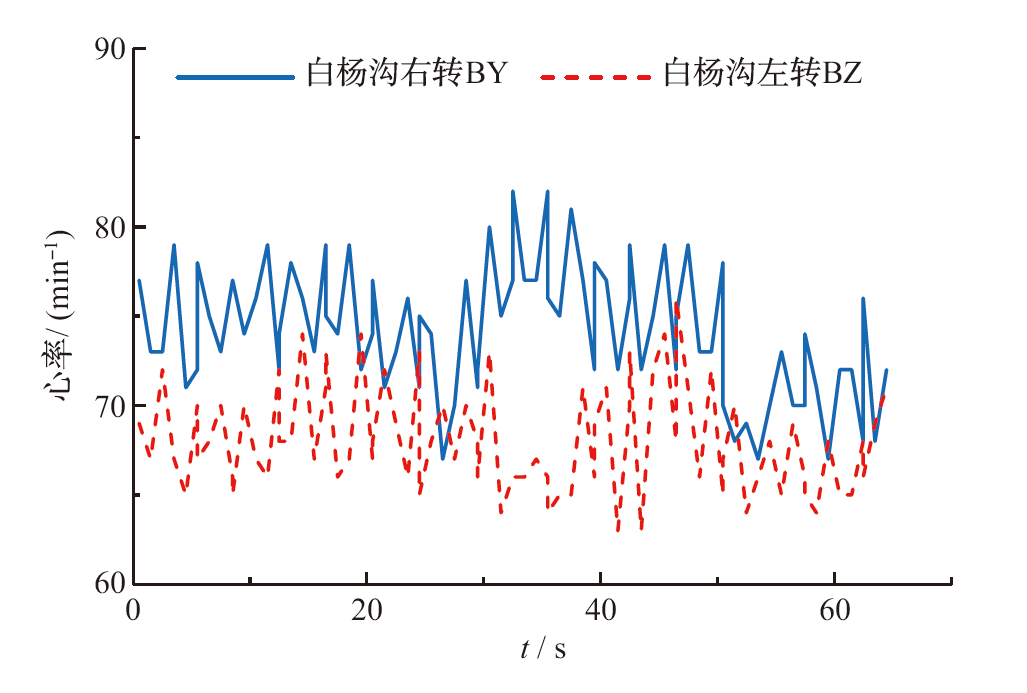
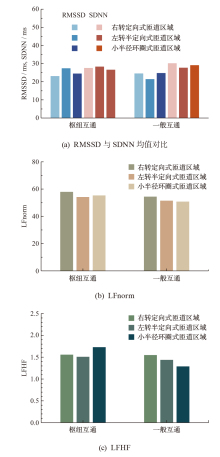
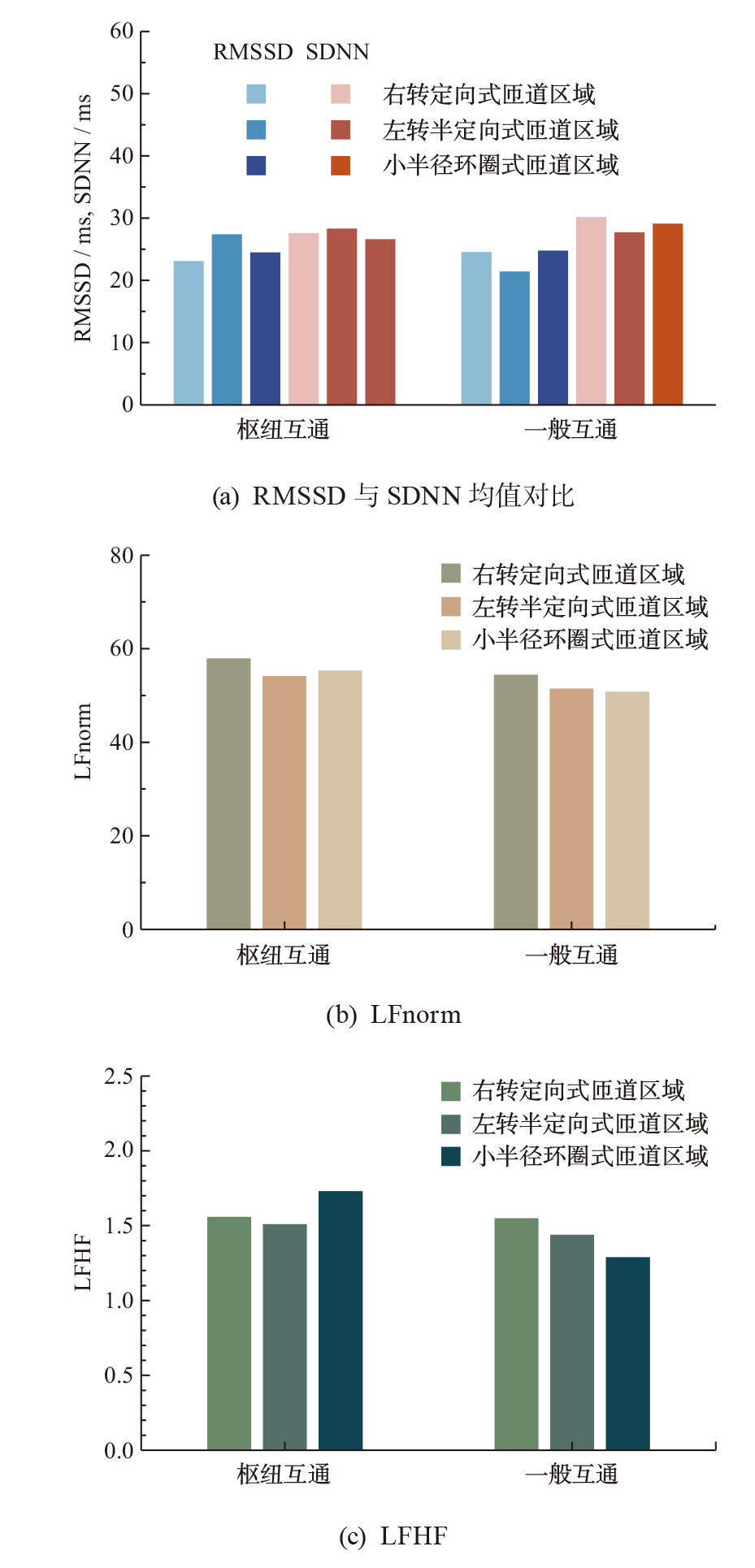
| 指标 | 指标平均值/ ms | ||||||
|---|---|---|---|---|---|---|---|
| 枢纽互通 | 一般互通 | ||||||
| 右转定向式 匝道区域 | 左转半定向式 匝道区域 | 小半径环圈式 匝道区域 | 右转定向式 匝道区域 | 左转半定向式 匝道区域 | 小半径环圈式 匝道区域 | ||
| RMSSD | 23.12 | 27.43 | 24.50 | 24.57 | 21.45 | 24.81 | |
| SDNN | 27.63 | 28.34 | 26.65 | 30.20 | 27.73 | 29.14 | |
| LFnorm | 57.96 | 54.18 | 55.34 | 54.47 | 51.49 | 50.78 | |
| LFHF | 1.56 | 1.51 | 1.73 | 1.55 | 1.44 | 1.29 | |
| 指标 | 指标平均值/ ms | ||||||
|---|---|---|---|---|---|---|---|
| 枢纽互通 | 一般互通 | ||||||
| 右转定向式 匝道区域 | 左转半定向式 匝道区域 | 小半径环圈式 匝道区域 | 右转定向式 匝道区域 | 左转半定向式 匝道区域 | 小半径环圈式 匝道区域 | ||
| RMSSD | 23.12 | 27.43 | 24.50 | 24.57 | 21.45 | 24.81 | |
| SDNN | 27.63 | 28.34 | 26.65 | 30.20 | 27.73 | 29.14 | |
| LFnorm | 57.96 | 54.18 | 55.34 | 54.47 | 51.49 | 50.78 | |
| LFHF | 1.56 | 1.51 | 1.73 | 1.55 | 1.44 | 1.29 | |
| [1] | 林声, 刘建蓓, 阎莹, 等. 基于驾驶负荷的山区高速公路长大下坡路段安全性评价模型[J]. 交通运输工程学报, 2013, 13(6): 99-106. |
| LIN Sheng, LIU Jianbei, YAN Ying, et al. Safety evaluation model of long-steep downgrade section for mountain highway based on driving workload[J]. J Traff Transport Engi, 2013, 13(6): 99-106. (in Chinese) | |
| [2] | 郭玉洁, 郭唐仪, 吴军. 基于因子分析的城市隧道驾驶人心理负荷变化规律[J]. 交通运输研究, 2021, 7(2): 91-99. |
| GUO Yujie, GUO Tangyi, WU Jun. Change regularity of drivers' psychological load in urban tunnels based on factor analysis[J]. Transport Res, 2021, 7(2):1-99. (in Chinese) | |
| [3] |
胡江碧, 何禄诚, 王荣华. 高速公路互通立交安全性评价研究综述[J]. 中国公路学报, 2020, 33(7): 17-28.
doi: 10.19721/j.cnki.1001-7372.2020.07.002 |
|
HU Jiangbi, HE Lucheng, WANG Ronghua. Review of safety evaluation of freeway interchange[J]. Chin J Highw Transport, 2020, 33(7): 17-28 (in Chinese)
doi: 10.19721/j.cnki.1001-7372.2020.07.002 |
|
| [4] | 易刚, 杨迪, 矫成武, 等. 高密度立交出入口区段车流量对驾驶人精神负荷影响[J]. 科学技术与工程, 2024, 24(3): 1224-1233. |
| YI Gang, YANG Di, JIAO Chengwu, et al. Influence of traffic flow in the entrance and exit section of high density interchange on the driver’s mental load[J]. Sci Tech Engi, 2024, 24(3): 1224-1233. (in Chinese) | |
| [5] |
阎莹, 王虹婷, 万利, 等. 基于因子分析与熵值法的不同隧道侧向宽度下驾驶负荷模型[J]. 中国公路学报, 2023, 36(2): 190-202.
doi: 10.19721/j.cnki.1001-7372.2023.02.016 |
|
YAN Ying, WANG Hongting, WAN Li, et al. Driver load model under different tunnel lateral widths based on factor analysis and entropy method[J]. Chin J Highw Transport, 2023 36(2): 190-202. (in Chinese)
doi: 10.19721/j.cnki.1001-7372.2023.02.016 |
|
| [6] | 徐进, 陈正欢, 廖祺硕, 等. 基于心电数据的高速公路高密度互通立交驾驶负荷研究[J]. 吉林大学学报: 工学版, 2024, 54(10): 2807-2818. |
| XU Jin, CHEN Zhenghuan, LIAO Qishuo, et al. Mental workload of drivers at high-density interchanges of freeways based on ECG data[J]. J Jilin Univ: Engi Ed, 2024, 54(10): 2807-2818. (in Chinese) | |
| [7] | 陈正欢. 高密度互通立交驾驶人精神负荷与安全风险研究[D]. 重庆: 重庆交通大学, 2023. |
| CHEN Zhenghuan. Study on driver’s mental workload and safety risks of high-density interchanges[D]. Chongqing: Chongqing Jiaotong University, 2023. (in Chinese) | |
| [8] | 孙雨斐. 高速公路互通式立交路段对驾驶员工作负荷的影响研究[D]. 西安: 长安大学, 2021. |
| SUN Yufei. Study on the impact of freeway interchange sections on driving workload[D]. Xian: Chang’an University, 2021. (in Chinese) | |
| [9] | 王畅, 牛津, 马万良, 等. 真实驾驶过程驾驶人分心特性个体差异[J]. 科学技术与工程, 2024, 24(24): 10538-10544. |
| WANG Chang, NIU jin, MA Wanliang, et al. Individual differences of driver distraction characteristics during real driving[J]. Sci Tech Engi, 2024, 24(24): 10538-10544. (in Chinese) | |
| [10] | 徐进, 孙子秋, 冯忠祥, 等. 互通立交直连式右转匝道小客车运行特性[J]. 中国科技论文, 2022, 17(8): 844-850. |
| XU Jin, SUN Ziqiu, FENG Zhongxiang, et al. Driving behavior of passenger car on direct-connected right-turn ramp of interchange[J]. China Scipaper, 2022, 17(8): 844-850. (in Chinese) | |
| [11] | 邓皓天, 王程瑜, 朱兴林, 等. 高速公路互通立交小半径匝道车辆行驶轨迹特征分析[J]. 中国科技论文, 2024, 19(9): 1027-1036. |
| DENG Haotian, WANG Chengyu, ZHU Xinglin, et al. Analysis of vehicle trajectory characteristics on small radius ramps of freeway interchanges[J]. China Sci Paper, 2024, 19(9): 1027-1036. (in Chinese) | |
| [12] | 张敏, 陈嘉乐, 张驰, 等. 基于航拍数据的高速公路出口环圈匝道行车安全性评价方法[J]. 长安大学学报: 自然科学版, 2024, 44(4): 108-118. |
| ZHANG Min, CHEN Jiale, ZHANG Chi, et al. Aerial photography data-based method for evaluating traffic safety of highway exit loop ramps[J]. J Changan Univ: Nat Sci, 2024, 44(4): 108-118. (in Chinese) | |
| [13] | 丁瑞, 刘俊, 蒋艳. 基于车辆加速度数据的互通立交匝道驾驶风险分析[J]. 交通信息与安全, 2021, 39(1): 17-25. |
| DING Rui, LIU Jun, JIANG Yan, et al. Driving risks of interchange ramps based on vehicle acceleration data[J]. J Transport Info Safe, 2021, 39(1): 17-25. (in Chinese) | |
| [14] | 张玉, 刘俊, 林伟, 等. 互通立交迂回式匝道纵向加速度特性[J]. 科学技术与工程, 2021, 21(26): 11411-11418. |
| ZHANG Yu, LIU Jun, LIN Wei, et al. Longitudinal acceleration characteristics of round about ramps of interchange[J]. Sci Tech Engi, 2021, 21(26): 11411-11418. (in Chinese) | |
| [15] | 陈正欢, 刘俊, 张河山, 等. 基于实车路试的迂回式立交匝道小客车行驶速度特征研究[J]. 科学技术与工程, 2022, 22(4): 1669-1677. |
| CHEN Zhenghuan, LIU Jun, ZHANG Heshan, et al. Investigation of speed behavior of passenger cars on detour ramp based on field operational test[J]. Sci Tech Engi, 2022, 22(4): 1669-1677. (in Chinese) | |
| [16] | 刘伟. 心脏神经症患者心率变异性相关分析[J]. 昆明医学院学报, 2011, 32(8): 133-134. |
| LIU Wei. Correlation Analysis of heart rate variability in patients with cardiac neurosis[J]. J Kunming Med Univ, 2011, 32(8): 133-134. (in Chinese) | |
| [17] | 罗杰, 程鹏, 陆百川, 等. 基于驾驶员心率变异性的光学隧道驾驶负荷分析[J]. 重庆理工大学学报: 自然科学, 2019, 33(8): 44-50, 64. |
| LUO Jie, CHENG Peng, LU Baichuan, et al. Analysis of driver workload on optical tunnel based on driver HRV[J]. J Chongqing Univ: Nat Sci, 2019, 33(8): 44-50, 64. (in Chinese) |
| [1] | CHENG Zeyang, DUAN Yiyang, YANG Mengmeng, FENG Zhongxiang, WANG He, ZHU Xiaojun, BAO Lixia. Recognition of the dangerous driving behaviors and the driving styles in weaving areas based on a hybrid neural network [J]. Journal of Automotive Safety and Energy, 2025, 16(5): 688-697. |
| [2] | WU Qingfu, YUAN Manrong, HAO Shuaijie, LIU Jiawei, NIU Shifeng, LIU Jinfeng. Characteristic indicators of driver stress response in emergency situations [J]. Journal of Automotive Safety and Energy, 2025, 16(1): 43-49. |
| [3] | LI Xinguang, SUN Chongxiao, QU Dayi, YU Wenchang, HU Han. Eco-driving strategy for mixed traffic flow of connected automated vehicles considering intersection start-stop wave [J]. Journal of Automotive Safety and Energy, 2024, 15(6): 895-904. |
| [4] | YAO Ronghan, XU Wentao, LIN Zijing, WANG Libing. Multi-objective bi-level programming model for optimization design of bus-HOV lanes [J]. Journal of Automotive Safety and Energy, 2024, 15(5): 711-722. |
| [5] | CHEN Qitong, ZHAO Dong, LIU Congzhi, LI Liang. Real-time human-like speed planning method for curve entry considering experienced driving behaviors [J]. Journal of Automotive Safety and Energy, 2024, 15(3): 309-320. |
| [6] | XU Ting, CHEN Shuyi, PENG Chong, CHEN Yixin, LIANG Zekai, ZHAO Lei. Parameter relationship between exhaust emissions and driving behaviors for commercial heavy-duty vehicles [J]. Journal of Automotive Safety and Energy, 2023, 14(3): 365-374. |
| [7] | ZOU Tiefang, WU Liangwei, HU Lin, NIE Bingbing, WANG Fang. Influence of bicycle seat height on the back lean forward angle and head injury of cyclists [J]. Journal of Automotive Safety and Energy, 2022, 13(1): 95-103. |
| [8] | ZHANG Rui, YAO Enjian, ZHANG Yongsheng. Multi-modal dynamic traffic assignment model with the addition of electric vehicles [J]. Journal of Automotive Safety and Energy, 2021, 12(4): 540-550. |
| Viewed | ||||||
|
Full text |
|
|||||
|
Abstract |
|
|||||
