Welcome to Journal of Automotive Safety and Energy,

Journal of Automotive Safety and Energy ›› 2025, Vol. 16 ›› Issue (3): 367-375.DOI: 10.3969/j.issn.1674-8484.2025.03.002
• Automotive Safety • Previous Articles Next Articles
WANG Wenjie1,2( ), SUN Yi3, LIU Zhao4, ZHU Ping1,2()
Received:2024-11-02
Revised:2025-03-07
Online:2025-06-30
Published:2025-07-01
CLC Number:
WANG Wenjie, SUN Yi, LIU Zhao, ZHU Ping. Optimization design for automobile ORSs based on composite deep Gaussian process regression network[J]. Journal of Automotive Safety and Energy, 2025, 16(3): 367-375.
Add to citation manager EndNote|Ris|BibTeX
URL: https://www.journalase.com/EN/10.3969/j.issn.1674-8484.2025.03.002
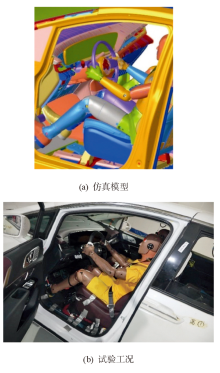
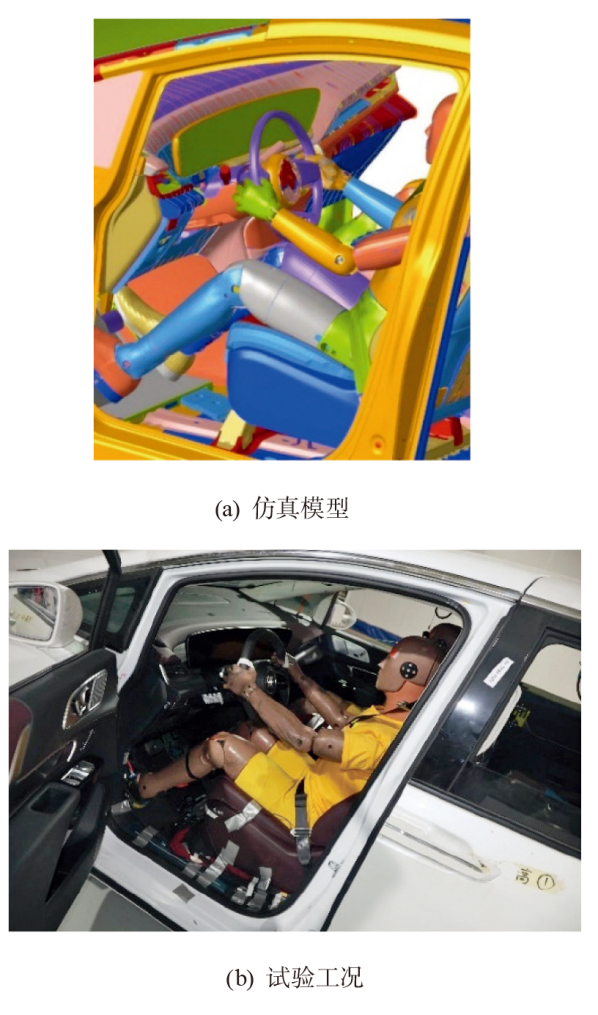
| 头部 | 头部伤害准则(15 ms间隔),HIC15 |
| 合成加速度3 ms过载量,a3 ms | |
| 颈部 | 颈部的伸张Myi峰值 |
| 剪切力Fx连续过载量 | |
| 伸张力Fz连续过载量 | |
| 胸部 | 变形峰值,DC |
| 粘性准则值,VC | |
| 大腿 | 轴向压缩力连续过载量,FF |
| 膝关节 | 位移峰值,DK |
| 小腿 | 胫骨指数值,TI |
| 压缩力峰值, FT |
| 头部 | 头部伤害准则(15 ms间隔),HIC15 |
| 合成加速度3 ms过载量,a3 ms | |
| 颈部 | 颈部的伸张Myi峰值 |
| 剪切力Fx连续过载量 | |
| 伸张力Fz连续过载量 | |
| 胸部 | 变形峰值,DC |
| 粘性准则值,VC | |
| 大腿 | 轴向压缩力连续过载量,FF |
| 膝关节 | 位移峰值,DK |
| 小腿 | 胫骨指数值,TI |
| 压缩力峰值, FT |
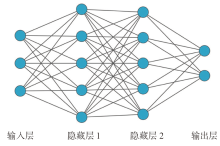
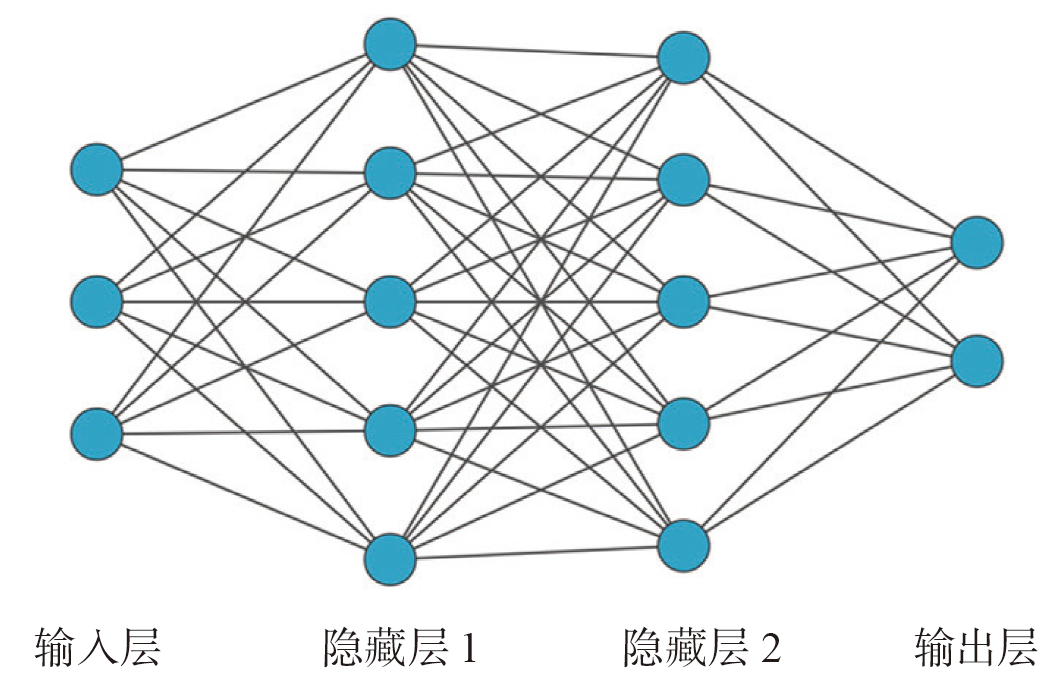
| 部位 | 伤害值项目 | CDGPRN | GPR-R | GPR-M | GPR-L | RS | DTR | SVR | ANN |
|---|---|---|---|---|---|---|---|---|---|
| 头部 | HIC15 | 0.156 2 | 0.168 6 | 0.168 4 | 0.158 5 | 0.162 3 | 0.172 3 | 0.169 6 | 0.178 9 |
| a 3 ms / g | 0.161 3 | 0.172 0 | 0.169 8 | 0.175 6 | 0.191 3 | 0.176 8 | 0.176 2 | 0.168 5 | |
| 颈部 | Myi / Nm | 0.100 3 | 0.107 8 | 0.109 8 | 0.109 3 | 0.112 0 | 0.127 2 | 0.112 8 | 0.111 7 |
| Fx / kN | 0.066 7 | 0.070 1 | 0.068 2 | 0.073 5 | 0.097 7 | 0.082 5 | 0.079 5 | 0.075 3 | |
| Fz / kN | 0.140 5 | 0.165 5 | 0.155 7 | 0.168 2 | 0.228 5 | 0.196 2 | 0.166 4 | 0.150 6 | |
| 胸部 | DC / mm | 0.099 5 | 0.119 4 | 0.113 4 | 0.132 5 | 0.166 2 | 0.142 5 | 0.124 4 | 0.116 5 |
| VC / ms-1 | 0.063 2 | 0.083 1 | 0.076 0 | 0.078 7 | 0.100 5 | 0.080 8 | 0.078 5 | 0.061 8 | |
| 大腿 | FF / kN | 0.107 9 | 0.111 8 | 0.110 5 | 0.113 2 | 0.133 5 | 0.124 4 | 0.114 4 | 0.117 0 |
| 膝部 | DK / mm | 0.053 3 | 0.058 2 | 0.064 6 | 0.062 0 | 0.060 9 | 0.061 6 | 0.069 2 | 0.059 8 |
| 小腿 | TI | 0.128 7 | 0.140 9 | 0.138 5 | 0.148 1 | 0.148 5 | 0.149 2 | 0.141 2 | 0.147 7 |
| FT / kN | 0.202 2 | 0.218 2 | 0.222 4 | 0.235 6 | 0.286 5 | 0.256 2 | 0.217 5 | 0.210 2 | |
| 各项伤害值的RMSE之和 | 1.279 8 | 1.415 6 | 1.397 3 | 1.455 2 | 1.687 9 | 1.569 7 | 1.449 7 | 1.391 7 | |
| 部位 | 伤害值项目 | CDGPRN | GPR-R | GPR-M | GPR-L | RS | DTR | SVR | ANN |
|---|---|---|---|---|---|---|---|---|---|
| 头部 | HIC15 | 0.156 2 | 0.168 6 | 0.168 4 | 0.158 5 | 0.162 3 | 0.172 3 | 0.169 6 | 0.178 9 |
| a 3 ms / g | 0.161 3 | 0.172 0 | 0.169 8 | 0.175 6 | 0.191 3 | 0.176 8 | 0.176 2 | 0.168 5 | |
| 颈部 | Myi / Nm | 0.100 3 | 0.107 8 | 0.109 8 | 0.109 3 | 0.112 0 | 0.127 2 | 0.112 8 | 0.111 7 |
| Fx / kN | 0.066 7 | 0.070 1 | 0.068 2 | 0.073 5 | 0.097 7 | 0.082 5 | 0.079 5 | 0.075 3 | |
| Fz / kN | 0.140 5 | 0.165 5 | 0.155 7 | 0.168 2 | 0.228 5 | 0.196 2 | 0.166 4 | 0.150 6 | |
| 胸部 | DC / mm | 0.099 5 | 0.119 4 | 0.113 4 | 0.132 5 | 0.166 2 | 0.142 5 | 0.124 4 | 0.116 5 |
| VC / ms-1 | 0.063 2 | 0.083 1 | 0.076 0 | 0.078 7 | 0.100 5 | 0.080 8 | 0.078 5 | 0.061 8 | |
| 大腿 | FF / kN | 0.107 9 | 0.111 8 | 0.110 5 | 0.113 2 | 0.133 5 | 0.124 4 | 0.114 4 | 0.117 0 |
| 膝部 | DK / mm | 0.053 3 | 0.058 2 | 0.064 6 | 0.062 0 | 0.060 9 | 0.061 6 | 0.069 2 | 0.059 8 |
| 小腿 | TI | 0.128 7 | 0.140 9 | 0.138 5 | 0.148 1 | 0.148 5 | 0.149 2 | 0.141 2 | 0.147 7 |
| FT / kN | 0.202 2 | 0.218 2 | 0.222 4 | 0.235 6 | 0.286 5 | 0.256 2 | 0.217 5 | 0.210 2 | |
| 各项伤害值的RMSE之和 | 1.279 8 | 1.415 6 | 1.397 3 | 1.455 2 | 1.687 9 | 1.569 7 | 1.449 7 | 1.391 7 | |
| 部件 | 设计参数 | 原始方案 | 优化方案 |
|---|---|---|---|
| 安全带 | TR / ms | 15.0 | 16.1 |
| FL / kN | 3.0 | 3.5 | |
| TP / ms | 21.0 | 22.1 | |
| 转向 管柱 | FC / kN | 2.0 | 2.5 |
| SC / mm | 90.0 | 100 | |
| 安全 气囊 | TA / ms | 15.0 | 16.1 |
| DV / mm | 30.0 | 32.0 | |
| DB / mm | 710 | 710 | |
| LU / mm | 300 | 325 | |
| LL / mm | 260 | 180 | |
| pout, g / kPa | 200 | 200 |
| 部件 | 设计参数 | 原始方案 | 优化方案 |
|---|---|---|---|
| 安全带 | TR / ms | 15.0 | 16.1 |
| FL / kN | 3.0 | 3.5 | |
| TP / ms | 21.0 | 22.1 | |
| 转向 管柱 | FC / kN | 2.0 | 2.5 |
| SC / mm | 90.0 | 100 | |
| 安全 气囊 | TA / ms | 15.0 | 16.1 |
| DV / mm | 30.0 | 32.0 | |
| DB / mm | 710 | 710 | |
| LU / mm | 300 | 325 | |
| LL / mm | 260 | 180 | |
| pout, g / kPa | 200 | 200 |
| 部位 | 伤害值项目 | 原始 方案 | 优化 方案 | 伤害降低 比例 / % |
|---|---|---|---|---|
| 头部 | HIC15 | 346.5 | 261.1 | 24.65 |
| a3 ms / g | 60.2 | 53.5 | 11.13 | |
| 颈部 | Myi / Nm | 59.0 | 41.6 | 29.49 |
| Fx / kN | 1.04 | 0.72 | 30.77 | |
| Fz / kN | 1.82 | 1.64 | 9.89 | |
| 胸部 | DC / mm | 26.30 | 26.17 | 0.49 |
| VC / ms-1 | 0.07 | 0.06 | 14.29 | |
| 大腿 | FF / kN | 0.30 | 0.31 | -3.33 |
| 膝部 | DK / mm | 0.16 | 0.16 | 0.00 |
| 小腿 | TI | 0.69 | 0.66 | 4.35 |
| FT / kN | 3.131 | 2.771 | 11.50 |
| 部位 | 伤害值项目 | 原始 方案 | 优化 方案 | 伤害降低 比例 / % |
|---|---|---|---|---|
| 头部 | HIC15 | 346.5 | 261.1 | 24.65 |
| a3 ms / g | 60.2 | 53.5 | 11.13 | |
| 颈部 | Myi / Nm | 59.0 | 41.6 | 29.49 |
| Fx / kN | 1.04 | 0.72 | 30.77 | |
| Fz / kN | 1.82 | 1.64 | 9.89 | |
| 胸部 | DC / mm | 26.30 | 26.17 | 0.49 |
| VC / ms-1 | 0.07 | 0.06 | 14.29 | |
| 大腿 | FF / kN | 0.30 | 0.31 | -3.33 |
| 膝部 | DK / mm | 0.16 | 0.16 | 0.00 |
| 小腿 | TI | 0.69 | 0.66 | 4.35 |
| FT / kN | 3.131 | 2.771 | 11.50 |
| [1] | 洪亮, 葛如海. 正面碰撞中基于新型前排安全座椅的后排约束系统优化研究[J]. 汽车工程, 2015, 37(11): 1277-1283. |
| HONG Liang, GE Ruhai. Research on the optimization of rear restraint system based on a new front seat in frontal crash[J]. Autom Engineering, 2015, 37(11): 1277-1283. (in Chinese) | |
| [2] | 刘鑫, 刘祥, 周振华, 等. 基于自适应代理模型的汽车乘员约束系统优化设计[J]. 汽车工程, 2020, 42(7): 887-893. |
| LIU Xin, LIU Xiang, ZHOU Zhenhua, et al. Optimization design of automotive occupant restraint system based on adaptive surrogate models[J]. Autom Engineering, 2020, 42(7): 887-893. (in Chinese) | |
| [3] | 肖华, 肖森, 赵贶雨, 等. 侧面柱碰撞工况下驾驶员侧气囊优化设计[J]. 汽车技术, 2024, (04): 24-29. |
| XIAO Hua, XIAO Sen, ZHAO Kuangyu, et al. Optimal design of driver’s side airbag in side pole crash[J]. Autom Tech, 2024, (04): 24-29. (in Chinese) | |
| [4] | 段大禄, 贾丽刚, 易超, 等. 小型电动汽车正面碰撞的约束系统关键设计[J]. 汽车零部件, 2023(10): 58-63. |
| DUAN Dalu, JIA Ligang, YI Chao, et al. Key design of restraint system for small electric vehicle in frontal collision[J]. Autom Parts, 2023(10): 58-63. (in Chinese) | |
| [5] | Schneider B, Kofler D, D’Addetta G, et al. Approach for machine learning based design of experiments for occupant simulation[J]. Front Future Transport, 2022, 3: 913852. |
| [6] | SUN Wenbo, LIU Jiacheng, HU Jingwen, et al. Adaptive restraint design for a diverse population through machine learning[J]. Front Pub Health, 2023, 11: 1202970-1202980. |
| [7] | 李晗. 面向汽车碰撞安全数据特征的数据处理与建模方法研究[D]. 上海: 上海交通大学, 2022. |
| LI Han. Research on data processing and modeling method for vehicle crash safety characterized data[D]. Shanghai: Shanghai Jiao Tong University, 2022. (in Chinese) | |
| [8] | LI Mushi, LIU Zhao, HUANG Li, et al. Multi-fidelity data-driven optimization design framework for self-piercing riveting process parameters[J]. J Manuf Proc, 2023(99): 812-824. |
| [9] | FU Chongbo, DONG Huachao, WANG Peng, et al. Data-driven harris hawks constrained optimization for computationally expensive constrained problems[J]. Complex Intel Syst, 2023, 9(4): 4089-4110. |
| [10] | ZHANG Haobin, SAN Hongjun, CHEN Jiupeng, et al. Black eagle optimizer: a metaheuristic optimization method for solving engineering optimization problems[J]. Cluster Computing, 2024, 27(9): 12361-12393. |
| [11] | 周亦辰. 基于自适应高斯过程回归的汽车碰撞可靠性分析与优化设计[D]. 长春: 吉林大学, 2023 |
| ZHOU Yichen. Reliability-based design optimization for vehicle collision based on adaptive Gaussian process regression[D]. Changchun: Jilin University, 2023. (in Chinese) | |
| [12] | Raponi E, Bujny M, Olhofer M, et al. Kriging-assisted topology optimization of crash structures[J]. Comput Meth Appl Mech Eng, 2019, 348: 730-752. |
| [13] | Hay J, Lars S, Eric B, et al. Application of data-driven surrogate models for active human model response prediction and restraint system optimization[J]. Front Appl Math Statis, 2023, 9:1156785. |
| [14] | 李启明, 张鹏飞, 喻泽成, 等. 基于各向异性混合核函数高斯过程回归的RC柱概率抗剪承载力模型[J]. 工程科学与技术, 2025, 57(01): 287-295. |
| LI Qiming, ZHANG Pengfei, YU Zecheng, et al. Probability shear capacity model of rc columns based on anisotropic mixture kernel function gaussian process regression[J]. Engi Sci Tech, 2025, 57(1): 287-295. (in Chinese) | |
| [15] | 周慧灵. 基于组合核函数高斯过程回归的股指波动率预测研究[D]. 长沙: 湖南大学, 2021. |
| ZHOU Huiling. Forecasting of stock index realized volatility based on Gaussian process regression with compositional kernel[D]. Changsha: Hunan University, 2021. (in Chinese) | |
| [16] |
刘迎迎, 张孝远, 刘梦楠, 等. 基于自适应最优组合核函数高斯过程回归的锂电池健康状态区间估计[J]. 储能科学与技术, 2025, 14(1): 346-357.
doi: 10.19799/j.cnki.2095-4239.2024.0473 |
| LIU Yingying, ZHANG Xiaoyuan, LIU Mengnan, et al. Interval estimation of state of health for lithium battery based on gaussian process regression with adaptive optimal combination kernel function[J]. Energy Stor Sci Tech, 2025, 14(1): 346-357. (in Chinese) | |
| [17] | 李晗, 刘钊, 朱平. 基于SSI-PSO的汽车碰撞试验时序数据处理与分类方法[J]. 汽车安全与节能学报, 2022, 13(2): 259-268. |
| LI Han, LIU Zhao, ZHU Ping. Automobile crash test time-series data processing and classification method based on SSI-PSO algorithm[J]. J Autom Safe Energy, 2022, 13(2): 259-268. (in Chinese) | |
| [18] | Kim H Y, Won C H. Forecasting the volatility of stock price index: a hybrid model integrating LSTM with multiple GARCH-type models[J]. Expert Syst Appl, 2018, 103: 25-37. |
| [19] | Heidari A A, Mirjalili S, Faris H, et al. Harris hawks optimization: algorithm and applications[J]. Future Gene Compu Syst, 2019, 97: 849-872. |
| [20] | Askarzadeh A. A novel metaheuristic method for solving constrained engineering optimization problems: crow search algorithm[J]. Compu Struct, 2016, 169: 1-12 |
| [21] | Arora S, Singh H, Sharma M, et al. A new hybrid algorithm based on grey wolf optimization and crow search algorithm for unconstrained function optimization and feature selection[J]. IEEE Access. 2019, 7: 26343-26361. |
| [22] | LIU Zhao, WANG Wenjie, SHI Guohong, et al. A modified crow search algorithm based on group strategy and adaptive mechanism[J]. Engi Opti, 2024, 56(4): 625-643. |
| [1] | LIU Xiang, YIN Yuming, WU Zhiwen, DING Xiaoyu, XU Huafu, GAO Jiaqing, YANG Dasheng. Data-driven prediction and multi-parameter optimization of fatigue life of commercial vehicle drive shafts [J]. Journal of Automotive Safety and Energy, 2026, 17(2): 200-208. |
| [2] | LI Han, LIU Zhao, ZHU Ping. Automobile crash test time-series data processing and classification method based on SSI-PSO algorithm [J]. Journal of Automotive Safety and Energy, 2022, 13(2): 259-268. |
| [3] | WU Yongqiang, LOU Lei, FENG Qi. Occupant protection analysis based on the China National Standard GB 11552 about sled test method [J]. Journal of Automotive Safety and Energy, 2021, 12(3): 322-327. |
| [4] | HUANG Jie, LIU Xi, HU Yuanzhi, et al. Protection effect on rear seat female occupant by airbag-belt [J]. Journal of Automotive Safety and Energy, 2019, 10(1): 74-81. |
| Viewed | ||||||
|
Full text |
|
|||||
|
Abstract |
|
|||||
