欢迎访问《汽车安全与节能学报》,

汽车安全与节能学报 ›› 2026, Vol. 17 ›› Issue (1): 18-32.DOI: 10.3969/j.issn.1674-8484.2026.01.002
刘洪荣( ), 王乐乐, 高建勇()
收稿日期:2026-02-03
修回日期:2026-02-13
出版日期:2026-02-28
发布日期:2026-03-19
通讯作者:
高建勇,工程师。E-mail:gaojianyong@beipa.org.cn。作者简介:刘洪荣(1979—),男(汉),山东,高级工程师。E-mail:Liuhrong@beipa.org.cn。
LIU Hongrong(), WANG Lele, GAO Jianyong()
Received:2026-02-03
Revised:2026-02-13
Online:2026-02-28
Published:2026-03-19
Contact:
LIU Hongrong, Senior Engineer摘要:
在全球应对气候变化与能源转型的宏大背景下,交通运输领域的深度脱碳已成为国际博弈的新焦点。该文立足于“双碳”目标,对生物甲醇、生物航煤(SAF)、生物燃料乙醇及生物柴油4大核心生物质液体燃料产业进行了全景式扫描与深度剖析。
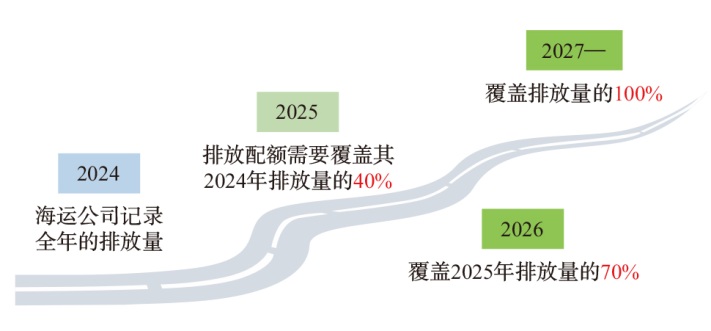
该文首先着眼全球,详细梳理了欧盟、美国及新加坡等先行者的产业格局。通过分析欧盟可再生能源指令(RED Ⅲ)、欧盟排放交易体系(EU ETS),以及美国《通胀削减法案》 的税收抵免机制,揭示了国际市场如何利用“绿色溢价”与强制合规政策成功驱动生物质液体燃料产业商业化闭环。特别指出,国际航空与航运业的强制脱碳进程(如CORSIA机制及IMO净零框架)正在为生物航煤和生物甲醇创造前所未有的市场蓝海。
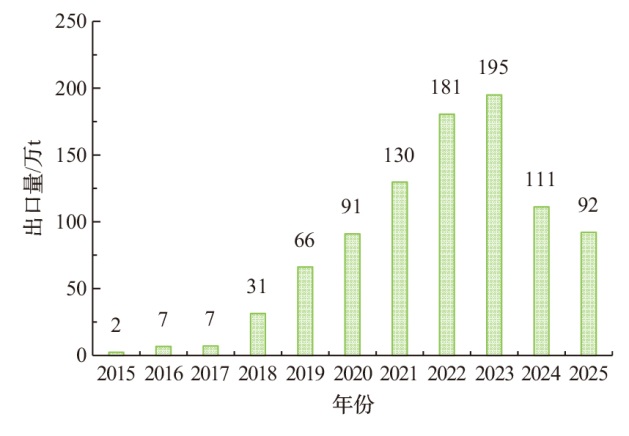
中国生物质液体燃料产业存在“产能巨大但市场在外”的结构性矛盾。虽然中国在生物燃料乙醇领域保持稳定,且生物航煤产业通过“白名单”机制逐步打通出口路径,并在多地启动加注试点;但生物柴油产业却因欧盟反倾销调查遭受重创,出口量剧减,产能利用率严重不足,暴露出过度依赖外部市场的脆弱性。此外,中国国内市场面临税则编码缺失、原料竞争无序、技术装备国产化率低以及缺乏强制性掺混标准等痛点,导致大量规划产能难以落地转化为实际效益。
面对挑战与机遇,该文最后提出了构建产业“内循环”的战略构想。建议借力国家“能耗双控向碳排放双控转型”的政策,建立全生命周期绿色认证体系,完善财税金融支持,明确生物质原料的能源化利用优先权,并呼吁在航空、航运等重点领域加快推进中国国内强制掺混试点,以彻底打破产业发展瓶颈,实现从“原料输出”向“高价值燃料应用”的战略跃升。
中图分类号:
刘洪荣, 王乐乐, 高建勇. 中国生物质液体燃料产业发展现状探究[J]. 汽车安全与节能学报, 2026, 17(1): 18-32.
LIU Hongrong, WANG Lele, GAO Jianyong. An inquiry into the current development status of China's liquid biofuel industry[J]. Journal of Automotive Safety and Energy, 2026, 17(1): 18-32.
| 燃料 | 产品 | 原料 | 优点 | 缺点 |
|---|---|---|---|---|
| 第1代 | 粮食乙醇 | 玉米、小麦、甘蔗 | 工艺简单成熟 | 与人争粮,资源有限 |
| 第1.5代 | 非粮乙醇 | 木薯、红薯、甜高粱 | 工艺成熟 | 与粮林争地,资源有限 |
| 第2代 | 纤维素乙醇 | 农林废弃物 | 资源丰富 | 技术尚未普及 |
| 第3代 | 藻类乙醇 | 藻类原料(微藻、蓝藻等) | 资源丰富 | 开发阶段 |
| 燃料 | 产品 | 原料 | 优点 | 缺点 |
|---|---|---|---|---|
| 第1代 | 粮食乙醇 | 玉米、小麦、甘蔗 | 工艺简单成熟 | 与人争粮,资源有限 |
| 第1.5代 | 非粮乙醇 | 木薯、红薯、甜高粱 | 工艺成熟 | 与粮林争地,资源有限 |
| 第2代 | 纤维素乙醇 | 农林废弃物 | 资源丰富 | 技术尚未普及 |
| 第3代 | 藻类乙醇 | 藻类原料(微藻、蓝藻等) | 资源丰富 | 开发阶段 |

| 政策名称 | 时间 | 主要内容 |
|---|---|---|
| REDⅠ(Directive 2009/28/EC) | 2009 | 1)到2020年,可再生能源占终端能源消费20%,道路与轨道交通领域占比达到10% 2)满足可持续性标准的生物质燃料(气、固、液态)可以被计入RED目标 |
| REDⅡ(Directive 2018/2001/EU) | 2018 | 1)到2030年,可再生能源占终端能源消费至少达到32%,道路与轨道交通领域占比至少达到14% 2)先进生物燃料享受双倍计算 |
| REDⅢ(Directive EU/2023/2413) | 2023 | 1)到2030年,可再生能源占终端能源消费至少达到42.5%,争取达到45%,交通领域(涵盖所有运输方式,含航空航运)占比至少达到29% 2)先进生物燃料用于满足29%的可再生燃料添加量时允许双倍计算 |
| 政策名称 | 时间 | 主要内容 |
|---|---|---|
| REDⅠ(Directive 2009/28/EC) | 2009 | 1)到2020年,可再生能源占终端能源消费20%,道路与轨道交通领域占比达到10% 2)满足可持续性标准的生物质燃料(气、固、液态)可以被计入RED目标 |
| REDⅡ(Directive 2018/2001/EU) | 2018 | 1)到2030年,可再生能源占终端能源消费至少达到32%,道路与轨道交通领域占比至少达到14% 2)先进生物燃料享受双倍计算 |
| REDⅢ(Directive EU/2023/2413) | 2023 | 1)到2030年,可再生能源占终端能源消费至少达到42.5%,争取达到45%,交通领域(涵盖所有运输方式,含航空航运)占比至少达到29% 2)先进生物燃料用于满足29%的可再生燃料添加量时允许双倍计算 |
| 序号 | 所属企业 | 项目所在地 | 原料 | 产能 (万t /a) |
|---|---|---|---|---|
| 1 | 大庆炼化 | 黑龙江大庆市 | 生物天然气 | 1 |
| 2 | 上海电气 | 吉林省洮南市 | 农林废弃物 | 5 |
| 3 | 易高煤化 | 内蒙古鄂尔多斯 | 城市废弃物 | 15 |
| 4 | 中集安瑞科 | 广东省湛江市 | 农林废弃物 | 5 |
| 5 | 中海化学 | 海南省东方市 | 生物天然气 | 1 |
| 6 | 上海华谊 | 上海市 | 生物天然气 | 10 |
| 序号 | 所属企业 | 项目所在地 | 原料 | 产能 (万t /a) |
|---|---|---|---|---|
| 1 | 大庆炼化 | 黑龙江大庆市 | 生物天然气 | 1 |
| 2 | 上海电气 | 吉林省洮南市 | 农林废弃物 | 5 |
| 3 | 易高煤化 | 内蒙古鄂尔多斯 | 城市废弃物 | 15 |
| 4 | 中集安瑞科 | 广东省湛江市 | 农林废弃物 | 5 |
| 5 | 中海化学 | 海南省东方市 | 生物天然气 | 1 |
| 6 | 上海华谊 | 上海市 | 生物天然气 | 10 |
| 序号 | 持证单位 | 颁证时间 |
|---|---|---|
| 1 | 中国石油化工股份有限公司镇海炼化分公司 | 2022.09.09 |
| 2 | 河南省君恒实业集团生物科技有限公司 | 2024.01.17 |
| 3 | 山东三聚生物能源有限公司 | 2024.11.04 |
| 4 | 连云港嘉澳新能源有限公司 | 2025.03.13 |
| 5 | 易高生物化工科技(张家港)有限公司 | 2025.09.28 |
| 6 | 山东海科化工有限公司 | 2025.12.22 |
| 序号 | 持证单位 | 颁证时间 |
|---|---|---|
| 1 | 中国石油化工股份有限公司镇海炼化分公司 | 2022.09.09 |
| 2 | 河南省君恒实业集团生物科技有限公司 | 2024.01.17 |
| 3 | 山东三聚生物能源有限公司 | 2024.11.04 |
| 4 | 连云港嘉澳新能源有限公司 | 2025.03.13 |
| 5 | 易高生物化工科技(张家港)有限公司 | 2025.09.28 |
| 6 | 山东海科化工有限公司 | 2025.12.22 |
| 序号 | “白名单”企业 | 出口配额 万t | 批准 时间 |
|---|---|---|---|
| 1 | 连云港嘉澳新能源有限公司 | 37.24 | 2025.04 |
| 2 | 易高环保能源科技(张家港)有限公司 | 26.00 | 2025.10 |
| 3 | 山东海科化工有限公司 | 37.00 | 2025.10 |
| 4 | 山东三聚生物能源有限公司 | 15.80 | 2025.10 |
| 5 | 河南省君恒实业集团生物科技有限公司 | 24.00 | 2025.12 |
| 序号 | “白名单”企业 | 出口配额 万t | 批准 时间 |
|---|---|---|---|
| 1 | 连云港嘉澳新能源有限公司 | 37.24 | 2025.04 |
| 2 | 易高环保能源科技(张家港)有限公司 | 26.00 | 2025.10 |
| 3 | 山东海科化工有限公司 | 37.00 | 2025.10 |
| 4 | 山东三聚生物能源有限公司 | 15.80 | 2025.10 |
| 5 | 河南省君恒实业集团生物科技有限公司 | 24.00 | 2025.12 |
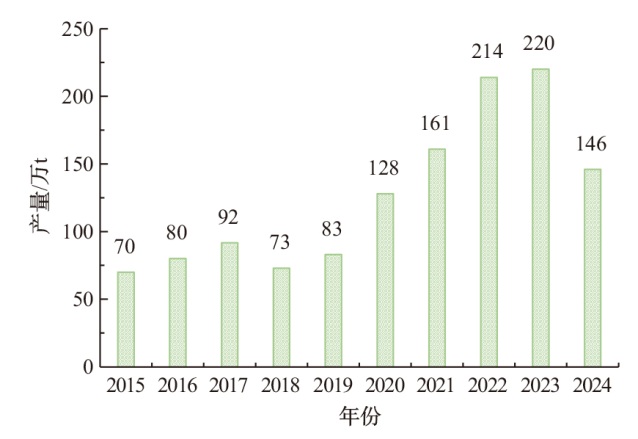
| 区域 | 国家 | 目标年份 | 状态/性质 |
|---|---|---|---|
| 亚洲 | 中国 | 2060 | 政策宣示 |
| 日本 | 2050 | 已立法 | |
| 韩国 | 2050 | 已立法 | |
| 印度 | 2070 | 政策宣示 | |
| 印度尼西亚 | 2060 | 政策宣示 | |
| 新加坡 | 2050 | 政策宣示 | |
| 欧洲 | 英国 | 2050 | 已立法 |
| 德国 | 2045 | 已立法 | |
| 法国 | 2050 | 已立法 | |
| 俄罗斯 | 2060 | 政策宣示 | |
| 意大利 | 2050 | 政策宣示 | |
| 西班牙 | 2050 | 已立法 | |
| 瑞典 | 2045 | 已立法 | |
| 芬兰 | 2035 | 已立法 | |
| 美洲 | 美国 | 2050 | 政策文件 |
| 加拿大 | 2050 | 已立法 | |
| 巴西 | 2050 | 政策宣示 | |
| 阿根廷 | 2050 | 政策宣示 | |
| 智利 | 2050 | 已立法 | |
| 大洋洲 | 澳大利亚 | 2050 | 已立法 |
| 新西兰 | 2050 | 已立法 | |
| 非洲 | 南非 | 2050 | 政策宣示 |
| 区域 | 国家 | 目标年份 | 状态/性质 |
|---|---|---|---|
| 亚洲 | 中国 | 2060 | 政策宣示 |
| 日本 | 2050 | 已立法 | |
| 韩国 | 2050 | 已立法 | |
| 印度 | 2070 | 政策宣示 | |
| 印度尼西亚 | 2060 | 政策宣示 | |
| 新加坡 | 2050 | 政策宣示 | |
| 欧洲 | 英国 | 2050 | 已立法 |
| 德国 | 2045 | 已立法 | |
| 法国 | 2050 | 已立法 | |
| 俄罗斯 | 2060 | 政策宣示 | |
| 意大利 | 2050 | 政策宣示 | |
| 西班牙 | 2050 | 已立法 | |
| 瑞典 | 2045 | 已立法 | |
| 芬兰 | 2035 | 已立法 | |
| 美洲 | 美国 | 2050 | 政策文件 |
| 加拿大 | 2050 | 已立法 | |
| 巴西 | 2050 | 政策宣示 | |
| 阿根廷 | 2050 | 政策宣示 | |
| 智利 | 2050 | 已立法 | |
| 大洋洲 | 澳大利亚 | 2050 | 已立法 |
| 新西兰 | 2050 | 已立法 | |
| 非洲 | 南非 | 2050 | 政策宣示 |
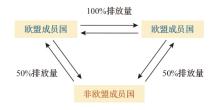
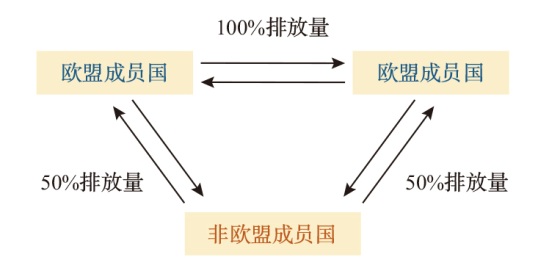
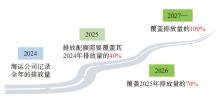
| 阶段 | 时间 | 阶段阐述 |
|---|---|---|
| 试行阶段 | 2021—2023年 | 在这一阶段,各国可以自愿参与,主要目的是测试和完善CORSIA的实施机制 |
| 第1阶段 | 2024—2026年 | 这一阶段继续鼓励自愿参与,但开始实施具体的碳抵消要求 |
| 第2阶段 | 2027—2035年 | 这一阶段将转为强制参与,并根据其国际航空活动的份额承担抵消责任 |
| 阶段 | 时间 | 阶段阐述 |
|---|---|---|
| 试行阶段 | 2021—2023年 | 在这一阶段,各国可以自愿参与,主要目的是测试和完善CORSIA的实施机制 |
| 第1阶段 | 2024—2026年 | 这一阶段继续鼓励自愿参与,但开始实施具体的碳抵消要求 |
| 第2阶段 | 2027—2035年 | 这一阶段将转为强制参与,并根据其国际航空活动的份额承担抵消责任 |
| [1] | Irena and Methanol Institute. Innovation outlook: Renewable methanol[/OL]. International Renewable Energy Agency, Abu Dhabi. 2021. (2021-1-17) https://www.irena.org/-/media/Files/IRENA/Agency/Publication/2021/Jan/IRENA_Innovation_Renewable_Methanol_2021.pdf. |
| [2] | 国家能源局. 绿色甲醇(NB/T 11968-2025)[S]. 北京: 中国石化出版社. 2025. [2025-12-18]https://114.251.111.103:18080/portal/stdInfo?id=135438. |
| National Energy Administration. Green Methanol(NB/T 11968-2025)[S]. Beijing: China Petrochemical Press. 2025. [2025-12-18]https://114.251.111.103:18080/portal/stdInfo?id=135438. (in Chinese) | |
| [3] | 王圣, 杨鹤, 闫瑞, 等. 生物航煤生产技术的发展现状[J]. 生物工程学报, 2022, 38(7): 2477-2488. |
| WANG Sheng, YANG He, YAN Rui, et al. Development of bio-jet fuel production technology: A review[J]. Chin J Biotech, 2022, 38(7): 2477-2488. (in Chinese) | |
| [4] | 丁奕如, 杨雷, 郑平, 等. 中国可持续航空燃料发展研究报告: 现状与展望[R]. 北京: 北京大学能源研究院, 2022. |
| DING Yiru, YANG Lei, ZHENG Ping, et al. The present and future of sustainable aviation fuels in China[R]. Beijing: Institute of Energy, Peking University, 2022. | |
| [5] | 张文彬, 蔡葆, 徐艳丽. 中国生物燃料乙醇产业的发展[J]. 中国糖料, 2010(3): 58-62, 67. |
| ZHANG Wenbin, CAI Bao, XU Yanli. Development of biological fuel ethanol industry in China[J]. Sugar Crops of China, 2010(3): 58-62, 67. (in Chinese) | |
| [6] | 周瑜. 中国发展生物燃料乙醇对粮食市场的影响研究:以玉米市场为例[D]. 南京: 南京航空航天大学, 2017. |
| ZHOU Yu. Research on the impacts of bio-ethanol development on the grain market in China: a case study of the corn market[D]. Nanjing: Nanjing University of Aeronautics and Astronautics, 2017. (in Chinese) | |
| [7] | 国家能源局. 国能科技[2014]511号:生物柴油产业发展政策[/OL]. 2014. (2014-11-28) https://zfxxgk.nea.gov.cn/auto83/201501/t20150123_1882.htm. |
| National Energy Administration. Policy for the development of biodiesel industry[/OL]. 2014. (2014-11-28) https://zfxxgk.nea.gov.cn/auto83/201501/t20150123_1882.htm. (in Chinese) | |
| [8] | Methanol Institute. Renewable methanol[EB/OL]. [2026-1-30] https://methanol.org/renewable/. |
| [9] | 国际航空运输协会(IATA). SAF产量增长放缓必须在e-SAF强制要求出台前调整方向[R/OL]. 日内瓦, 2025. [2025-12-9]https://www.iata.org/contentassets/1c03aa891c5b425b9552f59c1db321e2/2025-12-09-04-cn.pdf. |
| The International Air Transport Association (IATA). SAF production growth rate is slowing down, essential to correct course ahead of e-SAF mandates[R/OL]. The International Air Transport Association, Geneva, 2025. [2025-12-9]https://www.iata.org/contentassets/1c03aa891c5b425b9552f59c1db321e2/2025-12-09-04-cn.pdf. (in Chinese) | |
| [10] | Renewable Fuels Association (RFA). U.S. and world ethanol production[/OL]. [2025-02-01]https://ethanolrfa.org/markets-and-statistics/annual-ethanol-production. |
| [11] | U.S. Department of Agriculture (USDA). Biofuels annual report 2024[R]. (2024-8-29) https://www.fas.usda.gov. |
| [12] | 倪红, 马冬, 张鹤丰. 欧盟交通可再生燃料法规建设及对我国的启示[J]. 世界环境, 2022(5): 81-85. |
| NI Hong, MA Dong, ZHANG Hefeng. The construction of transport-related renewable fuel regulations in the European Union and its enlightenment to China[J]. World Environ, 2022(5): 81-85. | |
| [13] | 王涛. 欧美生物燃料政策比较分析及启示[J]. 国际石油经济, 2024, 32(5): 42-52. |
| WANG Tao. Comparative analysis of biofuel policies in Europe and the United States and its implications[J]. Int’l Petrol Econ, 2024, 32(5): 42-52. (in Chinese) | |
| [14] | The Civil Aviation Authority of Singapore (CAAS). Singapore sustainable air hub blueprint[/OL]. 2024. (2024-2-18) https://www.caas.gov.sg/docs/default-source/docsso/singapore-sustainable-air-hub-blueprint.pdf. |
| [15] | The Civil Aviation Authority of Singapore (CAAS). New sustainable aviation fuel levy to apply from 1 April 2026 for flights departing from 1 October 2026[/OL]. [2026-02-01]https://www.caas.gov.sg/who-we-are/newsroom/Detail/new-SAF-levy-to-apply-from-1-apr-2026-for-flights-departing-from-1-oct-2026. |
| [16] | 黄佳贝. RCEP下国际海运市场准入法律制度研究[D]. 上海: 华东政法大学, 2023. |
| HUANG Jiabei. Research on Chinese legal system of the shipping market access under the RCEP[D]. Shanghai: East China University of Political Science and Law, 2023. (in Chinese) | |
| [17] | SAF产业观察. 重磅!国内第六家SAF企业获适航批准![/OL]. (2026-02-01) https://mp.weixin.qq.com/s/h5PMAR4yUkLIkUI1ixXjlw. |
| SAF Industry Observation. Breaking News: China's sixth SAF enterprise receives airworth iness approval![/OL]. [2026-02-01]https://mp.weixin.qq.com/s/h5PMAR4yUkLIkUI1ixXjlw. (in Chinese) | |
| [18] | 丁奕如, 王倩钰, 郑平, 等. 国外可持续航空燃料政策及中国市场供需展望[J]. 国际石油经济, 2025, 33(5): 19-28. |
| DING Yiru, WANG Qianyu, ZHENG Ping, et al. Foreign sustainable aviation fuel policies and prospects of China’s market supply and demand[J]. Int’l Petro Econ, 2025, 33(5): 19-28. (in Chinese) | |
| [19] | 嘉澳环保. 热烈庆祝连云港嘉澳获得2026年生物航油“白名单”批准[/OL]. [2026-02-01]https://mp.weixin.qq.com/s/7uu5qJ3HGGgHYW36qsJjjQ. |
| Jiaao Environmental Protection. Celebrating the approval of Lianyungang Jia'ao for the 2026 bio-jet fuel “White List”[/OL]. [2026-02-01]https://mp.weixin.qq.com/s/7uu5qJ3HGGgHYW36qsJjjQ. (in Chinese) | |
| [20] | 苏豪丽天智储. 中国第二批(SAF)出口白名单下发[/OL]. [2026-02-01]https://mp.weixin.qq.com/s/fnNO2fhCVsZAppjddxbmug. |
| Suhao Litian Intelligent Storage. China's second batch (SAF) export white list issued[/OL]. [2026-02-01]https://mp.weixin.qq.com/s/fnNO2fhCVsZAppjddxbmug. (in Chinese) | |
| [21] | 濮阳日报. 濮阳获批全国生物航油“白名单”出口试点城市[/OL]. [2026-02-01]https://mp.weixin.qq.com/s/AxIpIzoDJON_H7w6okEPNQ. |
| Puyang Daily. Puyang approved as pilot city for export of national bio-jet fuel[/OL]. [2026-02-01]https://mp.weixin.qq.com/s/AxIpIzoDJON_H7w6okEPNQ. (in Chinese) | |
| [22] | 国务院关税税则委员会. 国务院关税税则委员会关于2026年关税调整方案的公告[/OL]. [2026-02-01]https://www.gov.cn/zhengce/zhengceku/202512/content_7053062.htm. |
| Customs Tariff Commission of the State Council. Announcement of the customs tariff commission of the state council on the tariff adjustment scheme in 2026[/OL]. [2026-02-01]https://www.gov.cn/zhengce/zhengceku/202512/content_7053062.htm. (in Chinese) | |
| [23] | 任东明, 窦克军. 生物燃料乙醇产业国内发展现状与国际经验及相关建议[J]. 中国能源, 2018, 40(6): 5-9. |
| REN Dongming, DOU Kejun. Domestic development status and international experience of biofuel ethanol industry and related suggestions[J]. Energy of China, 2018, 40(6): 5-9. (in Chinese) | |
| [24] | 任东明, 窦克军. 我国生物燃料乙醇产业发展前景与挑战[J]. 高科技与产业化, 2018(6): 38-41. |
| REN Dongming, DOU Kejun. Prospects and challenges of biofuel ethanol industry in China[J]. High-Tech Indu, 2018(6): 38-41. (in Chinese) | |
| [25] |
姜睿, 张伟, 周峰, 等. 乙醇汽油政策下异丁烯利用途径分析[J]. 现代化工, 2021, 41(2):1-5.
doi: 10.16606/j.cnki.issn0253-4320.2021.02.001 |
| JIANG Rui, ZHANG Wei, ZHOU Feng, et al. Analysis on isobutene utilization routes under ethanol gasoline policy[J]. Mode Chem Indu, 2021, 41(2): 1-5. (in Chinese) | |
| [26] | 孙慧, 王乐乐, 杨雷. 中国生物油气发展现状及未来对策[J]. 国际石油经济, 2024, 32(8): 42-47. |
| SUN Hui, WANG Lele, YANG Lei. Current status and future countermeasures of bio-oil and gas development in China[J]. Int’l Petrol Econ, 2024, 32(8): 42-47. (in Chinese) | |
| [27] | 刘聪. 回顾:欧盟对中国生物柴油反倾销调查时间表[/OL]. [2026-02-01]https://mp.weixin.qq.com/s/VEY7tVEoi9t12L3666iawA. |
| LIU Cong. Review: EU's anti-dumping investigation timeline on China's biodiesel[/OL]. [2026-02-01]https://mp.weixin.qq.com/s/VEY7tVEoi9t12L3666iawA. (in Chinese) | |
| [28] | 国家能源局. 国家能源局综合司关于公示生物柴油推广应用试点的通知[/OL]. 2024. (2024-3-29) https://www.cls.cn/detail/1637366. |
| National Energy Administration. Notice of the general office of the national energy administration on publicizing the pilot program for the promotion and application of biodiesel[/OL]. 2024. (2024-3-29) https://www.cls.cn/detail/1637366. (in Chinese) | |
| [29] | 任伟, 杨嘉宁, 郭晓梦. 基于STIRPAT模型的河北省碳达峰情景预测研究[J]. 华北理工大学学报(社会科学版), 2023(4): 34-41. |
| REN Wei, YANG Jianing, GUO Xiaomeng. Prediction of carbon peaking scenario in hebei province based on STIRPAT model[J]. J North China Univ Sci Tech (Soc Sci Edit), 2023(4): 34-41. (in Chinese) | |
| [30] |
WANG Shuaian, ZHEN Lu, Psaraftis N H, et al. Implications of the EU’s inclusion of maritime transport in the emissions trading system for shipping companies[J]. Engineering, 2021, 7(5): 554-557.
doi: 10.1016/j.eng.2021.01.007 URL |
| [31] | European Parliament and of the Council. Regulation (EU) 2023/1805 of the European Parliament and of the Council of 13 September 2023 on the use of renewable and low-carbon fuels in maritime transport, and amending Directive 2009/16/EC[/OL]. (2023-9-22) https://eur-lex.europa.eu/eli/reg/2023/1805. |
| [32] | 李杰, 周壮壮, 郭桦, 等. 数据驱动下的航运业脱碳变革[J]. 中国水运, 2024, 24(4): 17-18. |
| LI Jie, ZHOU Zhuangzhuang, GUO Hua, et al. Data-driven decarbonization transformation of shipping industry[J]. China Water Transport. 2024, 24(4): 17-18. (in Chinese) | |
| [33] | 张爽. 国际海事组织净零框架概述[D]. 大连: 大连海事大学, 2025. |
| ZHANG Shuang. Overview of the IMO Net-Zero Framework[D]. Dalian: Dalian Maritime University, 2025. (in Chinese) | |
| [34] | 原国慧. 国际航空碳抵消与减排机制研究[D]. 石家庄: 河北地质大学, 2020. |
| YUAN Guohui. Research on international aviation carbon offsetting and emission reduction mechanism[D]. Shijiazhuang: Hebei GEO University, 2020. (in Chinese) | |
| [35] | European Parliament and of the Council. Regulation (EU) 2023/2405 of the European Parliament and of the Council of 18 October 2023 on ensuring a level playing field for sustainable air transport (ReFuelEU Aviation)[/OL]. (2023-10-31) https://eur-lex.europa.eu/legal-content/EN/TXT/?uri=CELEX%3A32023R2405. |
| [36] | 孔祥云. 我国碳排放权交易定价机制研究[D]. 天津: 天津商业大学, 2019. |
| KONG Xiangyun. Research on pricing mechanism of carbon emissions trading in China[D]. Tianjin: Tianjin University of Commerce, 2019. (in Chinese) |
| [1] | 李莉, 李雁飞, 秦颂. 柴油、生物柴油、戊醇混合燃料喷雾特性的实验[J]. 汽车安全与节能学报, 2021, 12(4): 587-595. |
| [2] | 楼狄明,谭丕强. 柴油机使用生物柴油的研究现状和展望[J]. JASE, 2016, 07(02): 123-134. |
| [3] | 张小玉,马志豪*,马凡华,徐斌,吴建. 生物柴油掺混比例对柴油机颗粒排放微观特性的影响[J]. 汽车安全与节能学报, 2012, 3(2): 179-183. |
| [4] | 王宪成, 孙志新, 和穆, 何星. 含氧燃料对重型车用柴油机性能的影响[J]. 汽车安全与节能学报, 2010, 1(3): 229-234. |
| [5] | 谭丕强, 胡志远, 楼狄明. 车用发动机燃用生物柴油的颗粒数量排放[J]. 汽车安全与节能学报, 2010, 1(1): 83-88. |
| 阅读次数 | ||||||
|
全文 |
|
|||||
|
摘要 |
|
|||||
