欢迎访问《汽车安全与节能学报》,

汽车安全与节能学报 ›› 2026, Vol. 17 ›› Issue (2): 188-199.DOI: 10.3969/j.issn.1674-8484.2026.02.004

• 汽车安全 • 上一篇    下一篇

车辆碰撞波形数据过滤的三种替代方法

Filandow E(李睿婕)(), 聂冰冰, 周青*()   

  1. 清华大学智能绿色车辆与交通全国重点实验室北京 100084, 中国
  • 收稿日期:2025-09-28 修回日期:2026-01-13 出版日期:2026-04-30 发布日期:2026-04-30
  • 通讯作者: 周青,教授。E-mail:zhouqing@mail.tsinghua.edu.cn
  • 作者简介:Filandow E(2002—),女,印度尼西亚,硕士研究生。E-mail:rj-li24@mails.tsinghua.edu.cn
  • 基金资助:
    国家自然科学基金资助项目(52572413)

Three alternative filtering methods for vehicle crash data

Filandow E(), NIE Bingbing, ZHOU Qing*()   

  1. State Key Laboratory of Intelligent Green Vehicle and Mobility, Tsinghua University, Beijing 100084, China
  • Received:2025-09-28 Revised:2026-01-13 Online:2026-04-30 Published:2026-04-30

摘要:

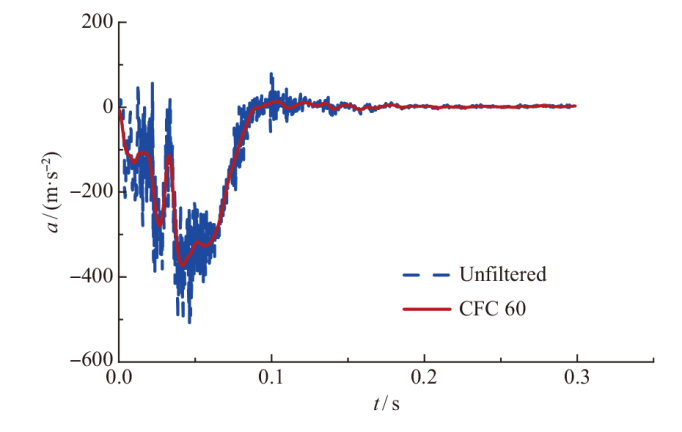
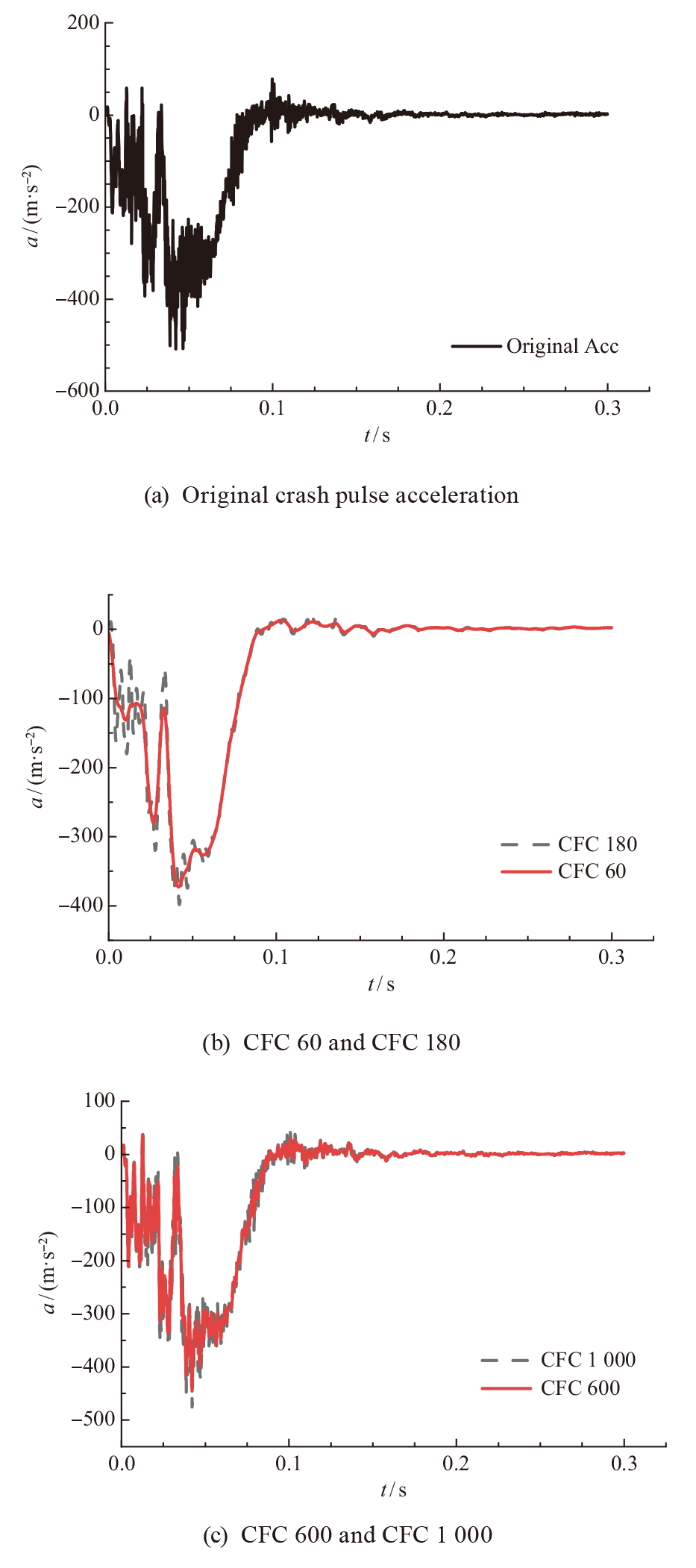
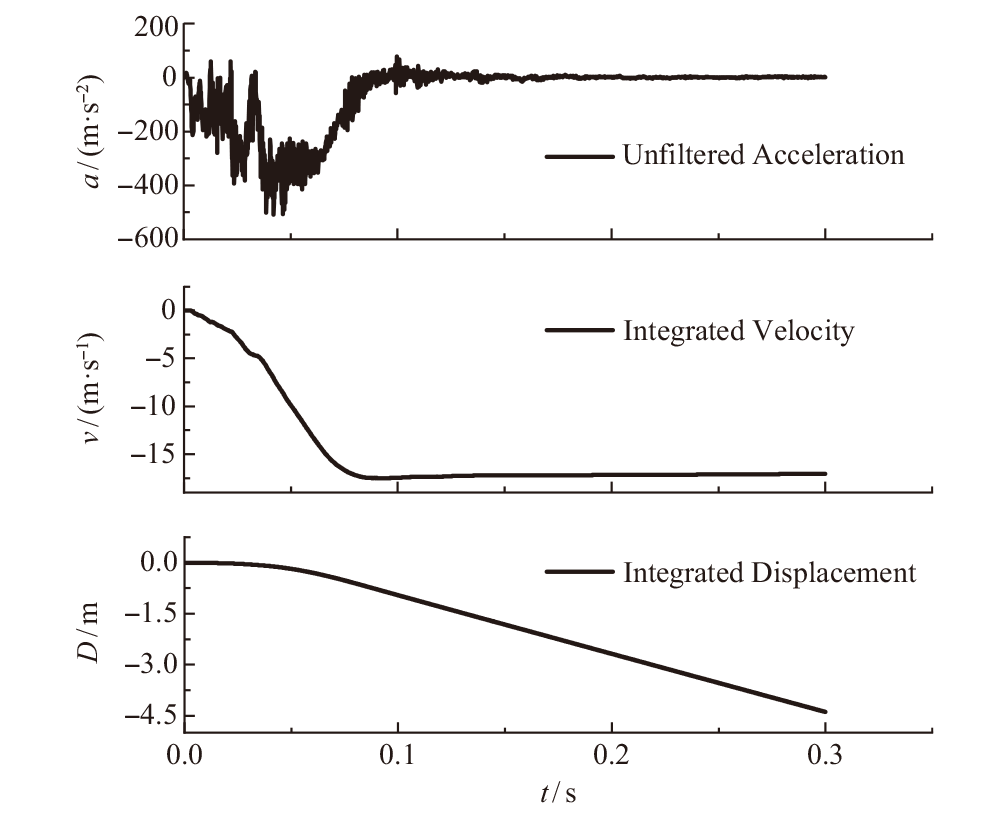
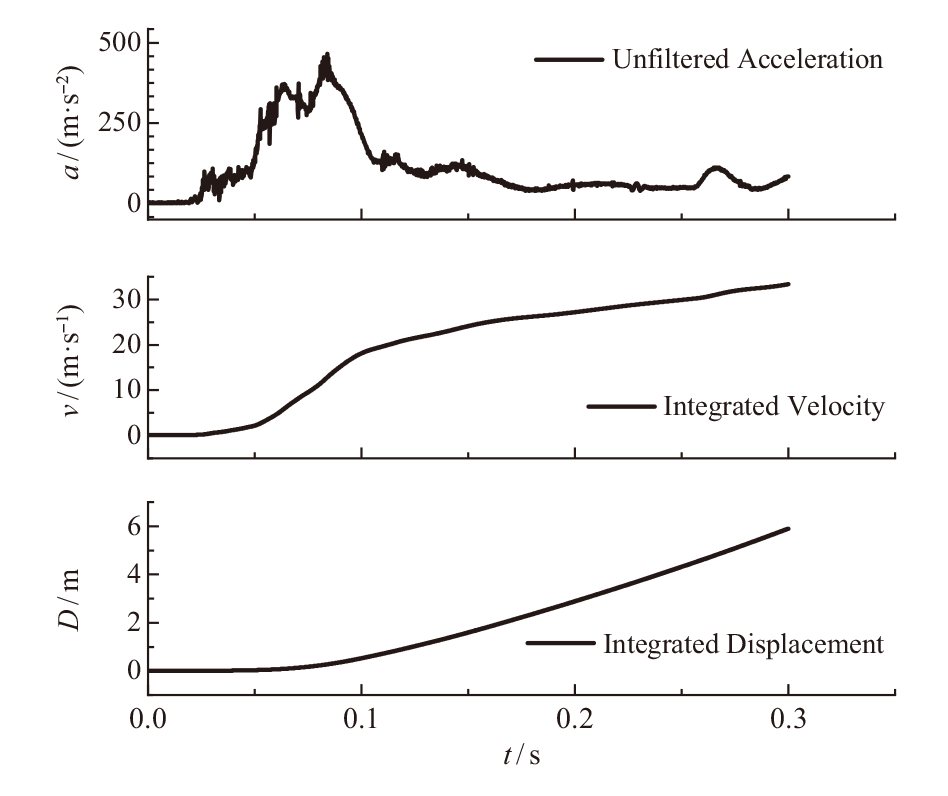
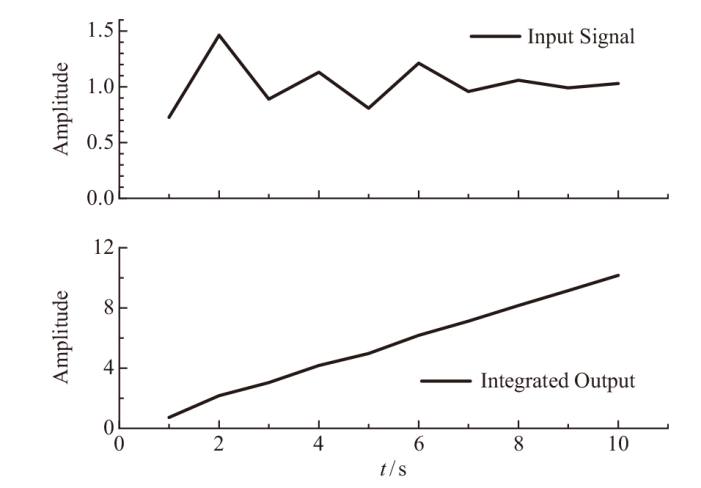
汽车碰撞测试信号滤波是数据处理的关键步骤,该研究使用车辆碰撞测试中获取的车身加速度数据和碰撞假人头部加速度数据,评估比较了SAE J211标准滤波器、移动平均(MA)法、积分法3种信号降噪技术。基于碰撞脉冲和头部加速度数据的分析,使滤波结果与车身结构优化及约束系统匹配直接相关。结果表明:SAE滤波器能提供精确的频率控制,截止频率100 Hz在车辆碰撞脉冲加速度数据处理中表现最优;MA法获取最佳数据点数量窗口,在保留信号关键特征的同时能有效去除噪声;积分法则通过累积求和运算揭示数据趋势,通过求和运算自然消除噪声干扰。SAE标准滤波器对碰撞脉冲加速度数据的信噪比达18.95 dB,对假人头部加速度数据达30.49 dB;而基于100个数据点的MA法对应的信噪比分别为8.59 dB和13.82 dB;此外,直接积分加速度信号可获得光滑的速度和位移曲线。该研究可为这3种滤波方法的实际应用提供指导性参考。

关键词: 信号滤波, SAE J211滤波器, 移动平均(MA)法, 积分法, 碰撞测试数据

Abstract:

Automotive crash test signal filtering is a key step in data processing. This study used vehicle body acceleration data and crash dummy head acceleration data obtained from vehicle crash tests to evaluate and compare three signal noise reduction techniques: the SAE J211 standard filter, the Moving Average(MA) method, and the Cumulative Integration. Based on the analysis of crash pulses and head acceleration data, the filtering results were directly correlated with body structure optimization and restraint system matching. The results show that the SAE filter provides precise frequency control, with a cutoff frequency of 100 Hz performing optimally in processing vehicle crash pulse acceleration data. The MA method, by obtaining the optimal window of data points, effectively removes noise while preserving key signal features. The Integration method reveals data trends through cumulative summation operations, naturally eliminating noise interference through summation. The SAE standard filter achieves a signal-to-noise ratio of 18.95 dB for crash pulse acceleration data and 30.49 dB for dummy head acceleration data; whereas the MA method based on 100 data points achieves corresponding signal-to-noise ratios of 8.59 dB and 13.82 dB, respectively. Additionally, directly integrating the acceleration signal yields smooth velocity and displacement curves. This study offers evidence-based guidance for the practical implementation of the three filtering methods under investigation.

Key words: signal filtering, SAE J211 Filter, moving average (MA) method, Cumulative Integration, crash testing data

中图分类号: